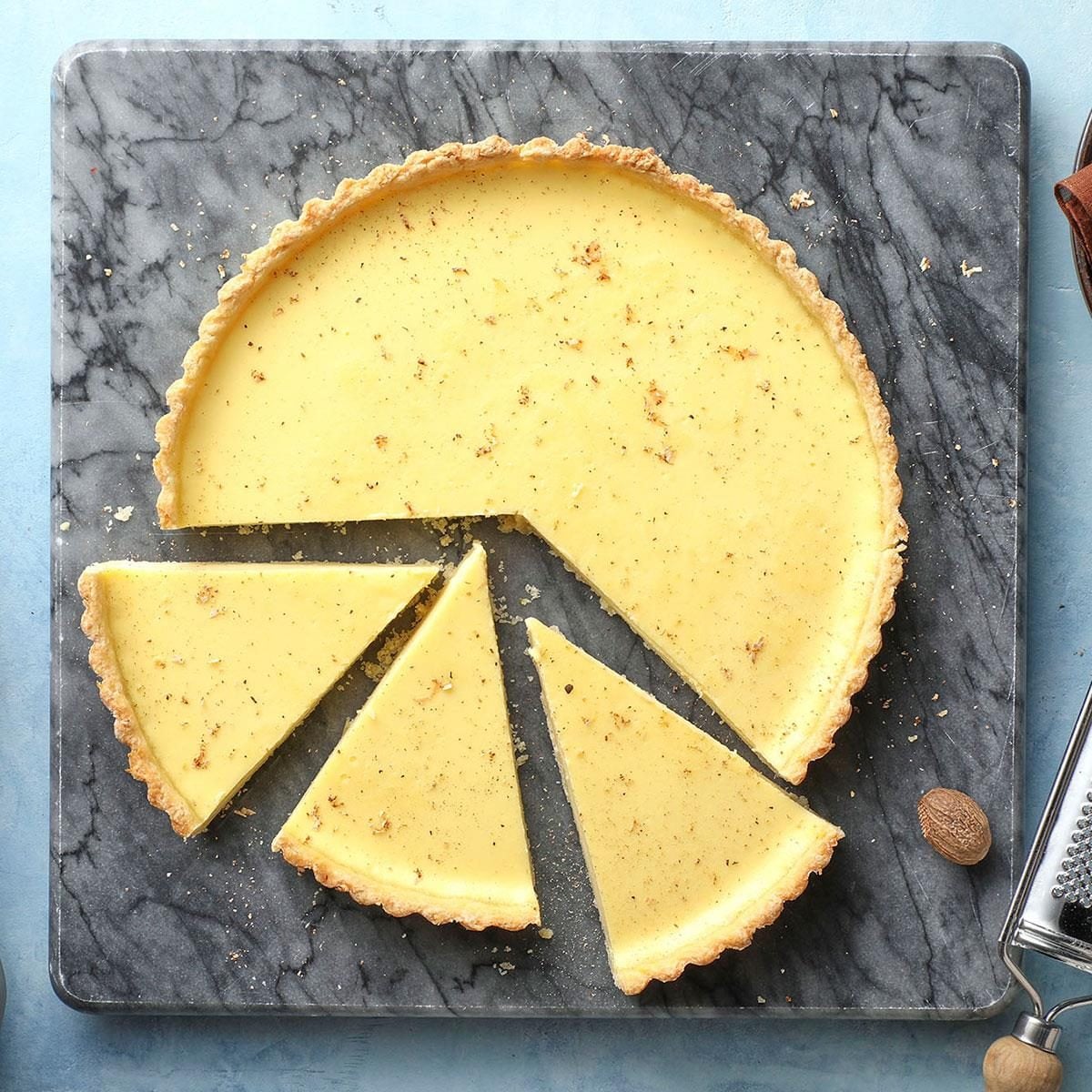
Custard Tart's Journey: From Medieval Europe to Modern Gatherings
There's something inherently comforting about a classic dessert, and few evoke a sense of timeless pleasure quite like custard tarts. With their delicate, buttery crust cradling a silky-smooth, vanilla-infused filling, these humble yet elegant treats have captivated palates for centuries. From bustling medieval feasts to quiet modern coffee breaks, custard tarts offer a moment of sweet serenity, a testament to the enduring appeal of simple, well-crafted indulgence.
Often considered a quintessential British or Portuguese delight, the history of the custard tart is richer and more widespread than many imagine. It's a dessert that transcends borders, adaptable enough to find a home in various culinary traditions while retaining its core identity. Whether you prefer them warm with a sprinkle of nutmeg or chilled to perfection, these creamy delights are more than just a sweet treat; they're a piece of culinary history, constantly evolving yet forever familiar.
The Rich Tapestry of Custard Tarts: A Journey Through Time
The story of custard tarts begins in the culinary landscapes of medieval Europe, a period when sweet and savory pies and tarts were staples of the aristocratic table. Eggs, milk, and sugar were prized ingredients, often combined with spices to create fillings for pastry shells. It was in this era that the concept of a baked custard in a pastry case truly began to take shape.
Two nations, in particular, stand out in the illustrious history of the custard tart: England and Portugal. The traditional British custard tart, often adorned with a dusting of nutmeg, is a testament to centuries of culinary tradition. Its filling is typically firm yet creamy, with a rich eggy flavor that speaks of its heritage. This beloved dessert became a common sight in bakeries and homes across the United Kingdom, cherished for its comforting simplicity.
Across the Iberian Peninsula, Portugal gave the world the iconic Pastéis de Nata. While sharing the core elements of a custard tart, these Portuguese egg tarts boast a distinctive caramelized top, achieved by baking at extremely high temperatures. Their custard is often intensely rich and slightly sweeter, a truly unique and influential variation that has since traveled the globe, inspiring countless other versions.
Beyond these European strongholds, the influence of custard tarts spread, even reaching Asian cuisines. The rise of the Asian-style cheese tart, for instance, showcases how these foundational concepts can be reinterpreted. Featuring a slightly tangy, often creamier filling, these tarts demonstrate the versatility and global appeal of the custard-filled pastry shell. This fascinating evolution underscores how a simple idea can inspire diverse and delicious adaptations across cultures.
Why We Love Custard Tarts: More Than Just a Sweet Treat
The enduring popularity of custard tarts isn't just about their delightful taste; it's also about their versatility, comforting nature, and even some surprising benefits:
- Rich in Protein: At the heart of every creamy custard tart are eggs, a fantastic source of high-quality protein. While it's a dessert, these tarts do offer a small protein boost that contributes to satiety and overall well-being.
- Calcium Boost: The generous use of whole milk and heavy cream in the custard filling provides a valuable dose of calcium, essential for strong bones and teeth. Indulging in a custard tart isn't just about satisfying a sweet craving; it's also about enjoying ingredients that contribute to a balanced diet.
- Perfect for Gatherings: One of the greatest advantages of custard tarts is how perfectly they scale for larger events. Recipes designed for large batches, often yielding 24 individual tarts or more, make them an ideal choice for parties, family celebrations, or any occasion where you need a crowd-pleasing dessert. Their individual portion size also makes them incredibly easy to serve and enjoy.
- Customizable Delights: While the classic vanilla custard tart is divine on its own, its simplicity makes it a perfect canvas for culinary creativity. You can infuse the custard with various flavors like bright lemon zest, rich chocolate, aromatic coffee, or even a hint of matcha. Garnish with fresh berries, a dusting of cinnamon, or a dollop of whipped cream to elevate them further.
- Comforting & Delicious: Perhaps the most significant benefit is the sheer comfort and joy these tarts bring. Their smooth texture and sweet, creamy taste are universally appealing, making them a beloved treat for all ages. Whether enjoyed warm straight from the oven or chilled from the refrigerator, they offer a moment of pure, unadulterated pleasure.
Crafting Culinary Perfection: The Art of Making Custard Tarts
Creating the perfect batch of custard tarts involves a thoughtful approach to both the crust and the filling. It's a process that rewards patience and attention to detail, transforming simple ingredients into something truly extraordinary.
The Flaky Foundation: Perfecting the Tart Crust
A superior custard tart begins with a superior crust. The goal is a light, crisp, and buttery pastry that provides a delightful contrast to the creamy filling. Key to achieving this is using cold unsalted butter, cut into small cubes and quickly worked into the flour mixture. This technique ensures that the butter remains in small pockets, which steam during baking to create those coveted flaky layers. Overworking the dough is the enemy of flakiness; mix just until it comes together. After mixing, a crucial chilling period allows the gluten to relax, making the dough easier to roll and preventing shrinkage in the oven.
Blind baking the tart shells before adding the custard is a non-negotiable step for a truly crisp base. This pre-baking firms up the crust and prevents it from becoming soggy once the wet custard is poured in. Pricking the bottom with a fork also helps prevent puffing, ensuring a perfectly flat base for your filling.
The Silky Heart: Mastering the Custard Filling
The custard filling is where the magic truly happens. While some might be tempted by the convenience of powdered custard, for that authentic, almost jelly-like set and luxurious texture, fresh custard made with real eggs, milk, and cream is an absolute must. The combination of egg yolks and whole eggs provides richness and structure, while cornstarch acts as a stabilizer, ensuring a smooth, well-set custard.
The process of making the custard requires careful handling. Heating the milk and cream gently and then slowly tempering it into the egg mixture prevents the eggs from scrambling. This slow incorporation, while continuously whisking, gradually brings the eggs up to temperature. Returning the mixture to the heat and stirring constantly until it thickens is vital. The custard should be thick enough to coat the back of a spoon but still pourable. Removing it from the heat just as it reaches this consistency, and allowing it to cool slightly before filling the tart shells, is the secret to a beautifully set, crack-free custard.
Tips for Achieving Custard Tart Bliss
- Temperature Control is Key: Ensure your butter is very cold for the crust, and your oven is preheated to the correct temperature for both blind baking and the final bake.
- Don't Overbake: For the custard, baking just until the center is "slightly jiggly" is the perfect indicator. It will continue to set as it cools. Overbaking can lead to a rubbery texture or cracks in the custard.
- Cool Completely: Resist the urge to dive in immediately. Custard tarts need time to cool and refrigerate for at least two hours (or even overnight) to allow the custard to fully set and achieve its ideal texture.
- Serving Suggestions: While delicious on their own, a light dusting of freshly grated nutmeg is the classic finish. You can also serve them with fresh berries, a dollop of crème fraîche, or a drizzle of caramel sauce.
- Storage: Store leftover custard tarts in an airtight container in the refrigerator for up to 3-4 days. They are equally delightful served cold or brought to room temperature.
Conclusion
From their medieval European beginnings to their cherished status in modern kitchens worldwide, custard tarts represent a timeless culinary classic. Their elegant simplicity, combined with the rich interplay of buttery pastry and silky-smooth custard, ensures their place as a beloved dessert for every occasion. Whether you're a seasoned baker or just beginning your culinary journey, embarking on the creation of these delightful tarts is a rewarding experience. Embrace the process, savor the aroma, and enjoy a piece of history that continues to bring joy to gatherings big and small.
